Small front yards in Santa Ana ask for discipline. There is not much room to hide a weak plan, and there is not enough space to waste money on features that look good for a month and become a chore by summer. The upside is that a compact yard can often be transformed faster, and for less money, than homeowners expect. A smart design does not depend on a large lot. It depends on proportion, climate awareness, and a clear sense of what the yard needs to do every day.
In Santa Ana, that usually means three things. The yard should hold up through heat, reflect the character of the house, and avoid constant watering. Many homeowners start with a picture they like online, then realize it belongs to a cooler region with richer soil and far more rain. A small front yard here performs best when it works with local conditions, not against them. That is the heart of affordable landscaping Santa Ana homeowners can actually live with.
Start with the size you have, not the yard you wish you had
The most common mistake in front yard landscaping is trying to fit too many ideas into too little space. On a broad suburban lot, you can get away with a curved path, specimen trees, layered flower beds, accent boulders, lawn, and lighting. On a small Santa Ana frontage, the same mix usually looks crowded and costs more than it should.
A better approach is to choose one visual anchor and support it with simple materials. That anchor could be a clean walkway framed by decomposed granite, a sculptural agave grouping, or a low stucco planter with drought tolerant color. Once the focal point is settled, the rest of the layout can stay restrained. The yard immediately feels intentional, which is one of the easiest ways to make a modest budget look like a larger one.
I have seen homeowners spend thousands on plants alone, only to end up with a front yard that feels fussy and disorganized. Then, on another block, a smaller home with gravel mulch, three well placed grasses, and a single ornamental tree looks polished for half the cost. Best landscape design is often less about adding more and more about choosing what to leave out.
Why Santa Ana conditions change the budget conversation
Any california landscaping guide worth following has to account for heat, dry spells, hard surfaces, and water costs. Santa Ana front yards often deal with reflected heat from driveways, sidewalks, and street-facing walls. That extra warmth can stress plants that would do fine just a few miles away in a milder microclimate.
This matters because replacement costs add up quickly. A plant that dies every season is not affordable, no matter how cheap it was at the nursery. The same is true for lawns that demand weekly irrigation and frequent mowing services when the homeowner really wanted a lower maintenance landscape.
A budget friendly yard in Santa Ana usually leans toward materials and plantings that tolerate full sun, uneven watering, and occasional neglect. That does not mean every yard has to look like a rock garden. It means the bones of the design should be durable. If the hardscape is simple and the plant palette is regionally appropriate, the yard can still feel lush in a tailored Southern California way.
The front yard features that deliver the most value
When the yard is small, every square foot should earn its place. I usually advise homeowners to divide spending into visual impact, comfort, and upkeep. A yard may look attractive on installation day, but if it stains, overgrows, or drains poorly, the long term cost rises fast.
Here are the front yard investments that tend to pay off best in a small Santa Ana lot:
A clean, well defined walkway, because it organizes the whole yard and gives the eye a clear path. Low water planting in repeated groupings, because repetition looks expensive even when the plant count is modest. One small tree or vertical accent, because height balances the house and keeps the yard from looking flat. Mulch or gravel groundcover, because exposed soil dries out fast, erodes, and never looks finished. Basic irrigation zoning, because hand watering a new landscape often leads to waste and uneven growth.That list may look simple, but simplicity is exactly what keeps the project affordable. A new concrete walk, for example, can do more for curb appeal than a dozen flowering annuals. A layer of mulch costs far less than replacing stressed plants after the first heat wave. An irrigation service for homeowners is not glamorous, but even a small drip system often saves enough water and plant loss to justify the expense.
Grass is not always the bargain it appears to be
Many people assume a bit of lawn is the cheapest way to fill a small yard. Installation can be relatively straightforward, especially compared with custom landscaping that includes masonry, lighting, and specimen plants. The long run is a different story.
Lawn care in Santa Ana is steady work. Even a small patch needs mowing, edging, feeding, and regular watering if you want it to stay green. Add occasional repairs from pet damage, compacted soil, or sprinkler overspray onto pavement, and the yearly cost can outpace a simpler planting scheme. That is why homeowners who search for a grass mowing guide often discover they are not really looking for mowing tips. They are looking for a way out of a high maintenance decision.
There are still cases where grass makes sense. If the front yard doubles as a play area for young children, or if a homeowner strongly prefers the look of green turf near the walkway, a compact lawn panel can be a reasonable choice. The key is to keep it truly compact and edge it with something crisp, such as steel, brick, or concrete banding. Without strong edges, a tiny lawn often makes the whole yard feel smaller and messier.

If you do keep lawn, choose a shape that is easy to mow in a few straight passes. Curvy strips around multiple planting beds may look charming on paper, but they are awkward in practice and drive up mowing services over time.
A low cost palette that still looks designed
Plant selection is where many affordable landscaping projects either succeed beautifully or lose the plot. The temptation is to buy one each of everything that catches the eye. In a small yard, that almost always creates visual noise. Repetition is cheaper and stronger.
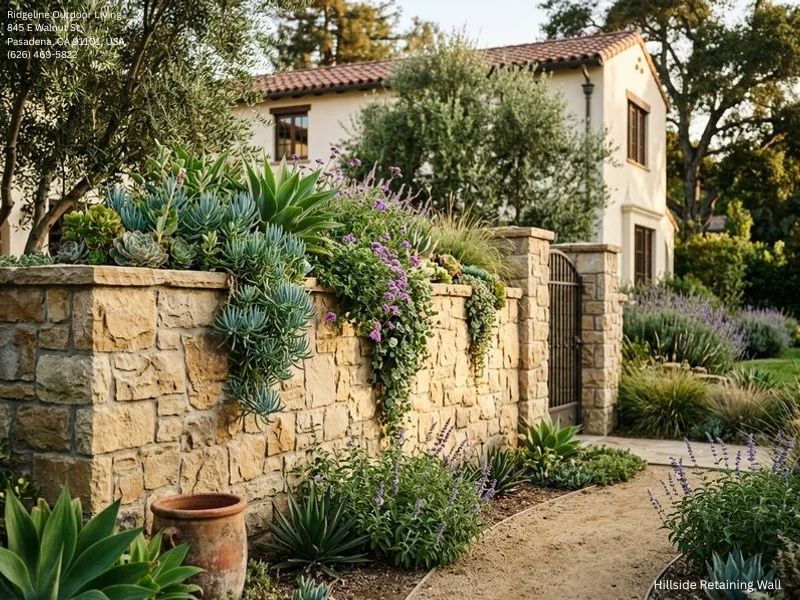
A good low cost palette for front yard landscaping in Santa Ana usually combines a backbone of evergreen structure with a few seasonal accents. Think of compact shrubs, grasses, and succulents repeated in drifts, then punctuated by color rather than smothered in it. Purple sage, society garlic, dwarf flax lily, lomandra, and selected aloes can all play useful roles depending on sun exposure and the style of the house. Against a Spanish, ranch, or contemporary home, even two or three plant varieties used confidently can carry the entire yard.
Mulch matters here too. Organic mulch softens planting beds, holds moisture, and improves soil over time. Gravel mulch, when used thoughtfully, gives a cleaner santa ana landscaping services ridgelineoutdoorliving.com and more architectural look, especially around drought tolerant plants. The wrong gravel can make a yard feel harsh, though. Bright white stone often creates glare in full Santa Ana sun, while a muted tan or warm gray usually sits better with local architecture and soil tones.
The right mulch also acts like visual editing. It ties separate plant groupings together and makes a yard look finished before everything fills in. That is one reason mulch is so often recommended in budget landscape design. It does real work while improving appearance immediately.
Hardscape can save money when used carefully
Homeowners often hear that hardscape is expensive, which is true if the project includes retaining walls, decorative pavers, outdoor kitchens, or elaborate steps. In a small front yard, however, modest hardscape can actually control costs. A slightly larger walkway, a gravel sitting nook, or a border around a planting bed may reduce the amount of irrigation and plant material required.
The trick is scale. A narrow lot does not need a broad resort style entry. It needs proportionate surfaces with clean lines and durable finishes. Broom finished concrete is often more cost effective than premium pavers and, in the right setting, looks perfectly sharp. Decomposed granite can stretch a budget even further, especially for side strips or small utility areas near the porch.
One project I remember involved a compact front yard with terrible drainage and a patchy lawn that never recovered. The homeowner expected a full planting redesign. Instead, we widened the path slightly, introduced decomposed granite with steel edging, planted three repeated masses of drought tolerant grasses, and added a small multi trunk tree near the corner of the house. It was not flashy. But it looked composed, solved the drainage issue, and cut the maintenance load dramatically. That is the kind of affordable landscaping Santa Ana homeowners benefit from most, practical work that also improves the front of the home.
Irrigation is where many budgets quietly leak
Poor irrigation is one of the biggest hidden expenses in landscaping. Sprinklers that hit sidewalks, drip lines that clog, and stations that water shade and full sun at the same rate all lead to waste. In a small front yard, irrigation does not have to be elaborate, but it should be intentional.
An irrigation service for homeowners can assess pressure, coverage, and zoning. In many cases, converting old spray heads to drip for planting beds and reserving spray only for turf reduces water use without sacrificing plant health. That is especially relevant for eco friendly landscaping, where the goal is not just appearance, but performance with fewer resources.
Newly planted landscapes also need a different watering rhythm than established ones. This is where a lot of DIY projects struggle. Homeowners either overwater because everything looks fragile, or underwater because drought tolerant plants are assumed to need almost nothing. The truth sits in the middle. Even hardy plants need consistent moisture during establishment. Once roots develop, watering can taper to a deeper, less frequent schedule.
santa ana landscaping servicesIf the yard includes pots near the entry, remember they are their own microclimate. Containers dry faster than in-ground beds, especially on warm stucco or concrete. It is a small detail, but in a compact front yard, details like that shape the overall impression.
Trees in small front yards need discipline
A small tree can transform a front yard. It adds shade, height, privacy, and a sense of maturity that young plantings cannot fake. The wrong tree, however, can crack pavement, block windows, drop messy fruit, or outgrow the lot within a few years.
A basic tree service guide for small Santa Ana yards starts with mature size, not nursery size. That five gallon tree may look harmless now, but the label’s eventual canopy spread tells the real story. For narrow frontages, homeowners often do better with smaller ornamental or multi trunk varieties placed off center, where they can frame the home without swallowing it.
Tree placement should also consider root behavior, overhead utilities, and how the canopy will affect nearby plants. A sunny succulent bed below a fast growing shade tree will not remain sunny for long. That sounds obvious, but it is a common planning miss in landscape design.
Periodic pruning is another budget line worth respecting. Some species remain tidy with minimal work. Others need regular shaping to keep sidewalks clear and sight lines open. A low purchase price can become a high maintenance commitment later, which is why tree choices should never be made on sale tags alone.

The case for professional help, even on a modest project
There is a persistent belief that hiring landscaping services in Santa Ana only makes sense for large budgets or commercial landscaping jobs. In practice, a short consultation can save a homeowner from several expensive mistakes. Professionals see grading issues, plant spacing problems, irrigation conflicts, and maintenance implications that are easy to miss when you are focused on finish colors and curb appeal.
That does not mean every yard needs a full design build contract. Sometimes the most useful service is a scaled planting plan, a site walkthrough, or a phased budget strategy. A homeowner might handle demolition and mulch spreading, then hire out irrigation and concrete work. Another might ask for custom landscaping only at the entry zone and keep the rest of the yard simple. This hybrid approach often works well for small front yards because the limited square footage allows selective spending to show.
Commercial landscaping experience can even be a plus when choosing a contractor for residential work. Firms that maintain retail centers, office properties, or multifamily sites tend to understand durability, irrigation efficiency, and plant performance under stress. Those skills transfer well to a front yard that needs to look crisp year round with limited upkeep.
Backyard habits often sabotage front yard results
Homeowners usually think about backyard landscaping and front yard landscaping as separate projects. They are physically separate, but maintenance patterns overlap. If the mower is stored awkwardly, hoses are dragged through the side gate, or green waste piles up near the entry, the front yard suffers no matter how attractive the planting plan looked on paper.
A small front yard should be designed with actual household routines in mind. Where will the trash bins roll? How will packages reach the porch? Is there enough room to edge the lawn cleanly, if there is lawn? Will irrigation lines be damaged every time someone repositions a pot? The best landscape design always accounts for use, not just appearance.
This is especially relevant for homeowners who already maintain a more active or decorative backyard landscaping space. If the backyard is the entertaining zone, the front yard can stay calmer and simpler. It does not need duplicate features. A restrained front landscape often feels more elegant when the home’s recreational life happens elsewhere.
Common budget mistakes that make a small yard more expensive
Most overspending comes from a few familiar errors rather than one giant bad decision. On small lots, these issues show up quickly.
Buying too many plant varieties, which raises cost and weakens the visual impact. Installing lawn without calculating long term water and lawn care demands. Ignoring drainage, then paying later for stained hardscape or failing plants. Choosing oversized trees or shrubs that require constant pruning or removal. Spending on decorative extras before fixing irrigation and soil preparation.Each of those mistakes has a simple lesson behind it. Good landscaping is built from the ground up. Water, drainage, spacing, and scale come first. Decorative details matter, but they should not eat the budget before the fundamentals are right.
A realistic path for phased improvement
Not every homeowner wants or needs a full front yard overhaul in one season. In fact, phased work is often the most responsible approach, especially when the budget is firm and the existing yard is functional but uninspired. The first phase might address irrigation, remove failing plants, and refresh mulch. The second could add a new walkway edge and updated planting. The third might bring in a feature tree or low voltage lighting.
Phasing works best when there is a master direction from the start. Even if the work happens over a year or two, the finished yard should feel cohesive. That is where a simple plan matters. Without one, phased upgrades can turn into a patchwork of mismatched fixes.
For Santa Ana homeowners focused on affordability, this measured approach often beats the rush to finish everything at once. It spreads cost, allows time to observe sun patterns and drainage after each change, and reduces landscaping santa ana the chance of buying materials that later need to be redone.
What affordable really means in a Santa Ana front yard
Affordable does not mean cheap materials scattered across the yard. It means every dollar supports appearance, function, and durability at the same time. In a small front yard, that usually looks like fewer plant varieties, stronger edges, climate appropriate choices, sensible irrigation, and one or two features that carry the design.
The nice thing about compact spaces is that good judgment shows immediately. A restrained palette, proper mulch, and a clean path can lift the whole frontage. You do not need a sprawling estate or an extravagant budget to create a front yard that feels considered. You need a plan suited to Santa Ana, a realistic view of maintenance, and the discipline to keep the design simple enough to succeed.
That is the sweet spot for affordable landscaping Santa Ana homeowners should aim for. Not the busiest yard on the block, not the most expensive, just the one that looks right every time you pull into the driveway.